
How to Prepare for Your First Mock Trial Competition
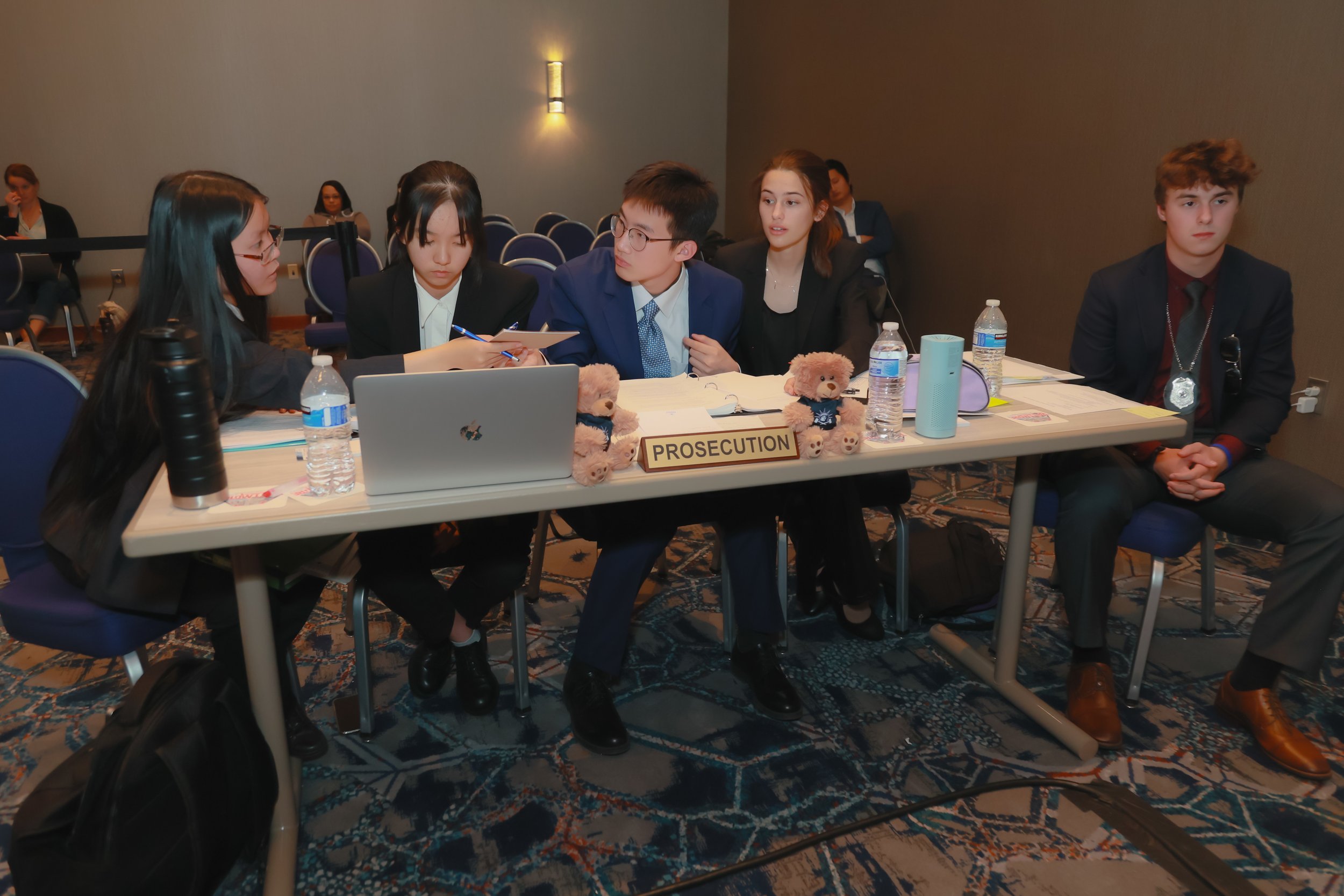
Mock Trial competitions can be stressful. They last for hours at a time and can span for multiple days. They require you to stay on your toes and to be ready for any situation that could occur, whether it’s facing an unexpected argument or handling a difficult witness. So, if it’s your first, what are the best tips to prepare?
1. Sleep, Eat, Move, Repeat
The most important preparation (second only to actually preparing your case) is to take care of your body and your mind. During the stressful environment of a trial your mind needs to stay sharp, responding quickly and accurately to objections or witness answers.
In order to maintain this high performance, sleeping properly to rest your mind, eating enough to fuel your thinking, and moving your body is crucial.
2. Practice Spontaneously Off Script
While having an outline on paper of what you need to say is a good start, it’s even more important to know what you have to get out to the jury and the judge on the top of your head. Witnesses from a different team are not always going to follow the script of the cross you have in mind. The trial won’t always follow the outcome that your closing argument has planned.
Practicing beforehand, or even just mentally preparing yourself for the possibilities can help you adjust with ease for the unexpected.
3. Practice With Your Teammates
Mock Trial is inherently a team sport despite its individual components: witnesses and lawyers should have a seamless back and forth; teammates need to have trust in their timekeepers signals and their screensharers speed; and everyone needs to have confidence in each other to support and build a team.
Knowing your teammates and their presentation styles well can help ensure that you can move and transition smoothly from one another, and the best method is just running through examinations and speeches with everyone present.
4. Practice Recognizing Objections
In the middle of a trial there are going to be multiple things you need to keep track of such as the examinations you need to do or the exhibits that need to be presented, and no matter what is going on, the examining lawyer must always be prepared to yell OBJECTION! However, that’s the easy part, the difficult part is knowing what objection to bring forward and what reasoning you need to argue to convince the judge.
Therefore, practicing objecting, whether it’s through flashcards or simulating real life scenarios with another person, is crucial to developing the quick, instinctual response needed in the courtroom.
Sign Up Today
Evocation Academy offers a free online mock trial class for new students. No prior experience needed. It's the fastest way to understand what the program is actually like and whether it's a fit for your student.
Book a free class today!